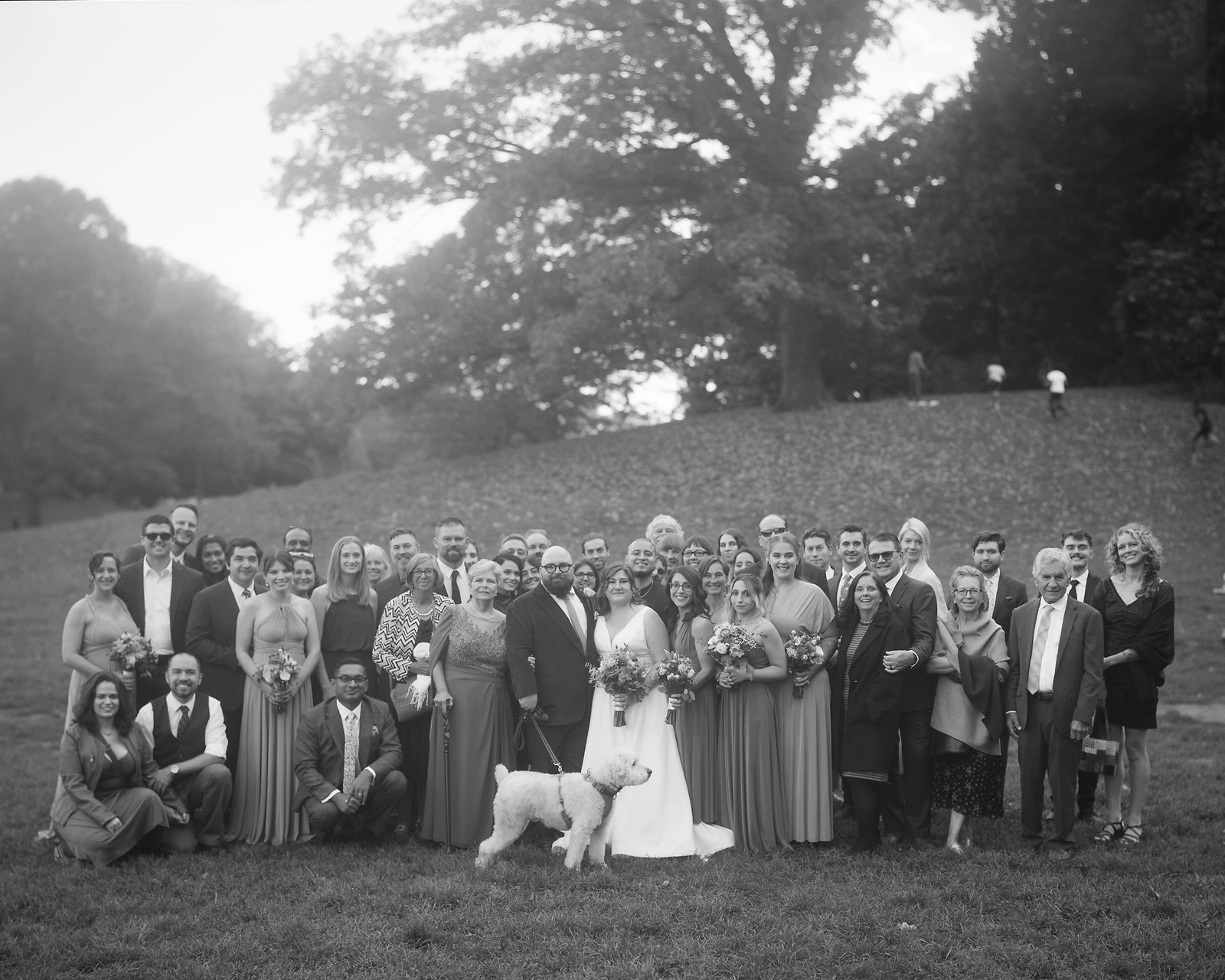
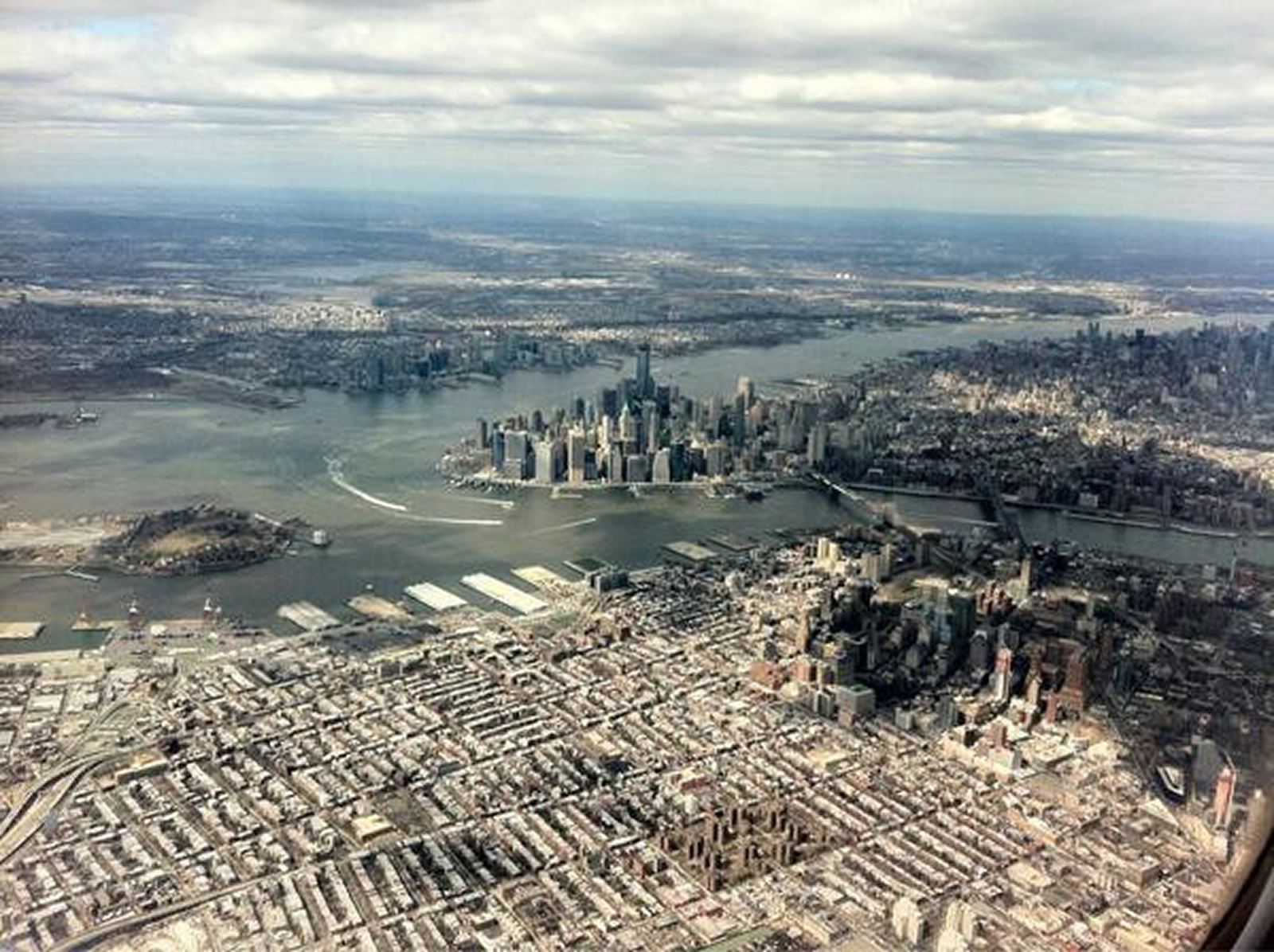
I arrived in New York on March 29th, 2013. Eight weeks before graduation, I dropped out of school, sold everything I owned, and traded a fraternity house in a small Kansas town for what can only be described as a Harry Potter bedroom under the stairs of a Brooklyn brownstone. I had been hired at Techstars to design for the companies going through their accelerator over the next three months.
My first clear memory of the city is coming up out of the subway at Houston and Lafayette on a Monday morning, off the F train, on my way to meet the Techstars team. The sound and the pace and the energy hit me in the face like I was Jalen Brunson drawing a charge against Giannis. That's when it became real.
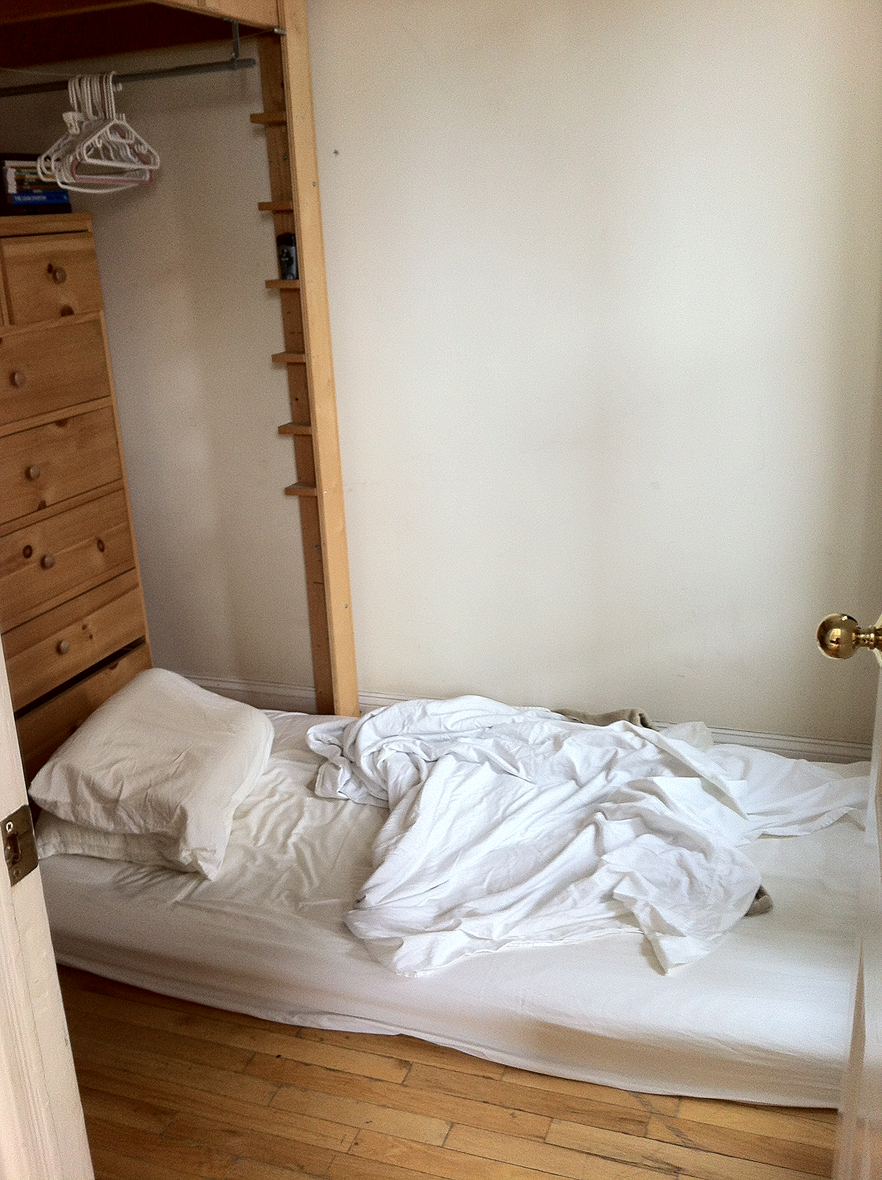
The other memory comes about three and a half weeks later. I was riding the F home through Brooklyn, where the train runs above ground, and there's a turn in Carroll Gardens where, for a brief second, you can see the Statue of Liberty. That night I'd realized my first paycheck was coming: two thousand dollars for the month. My dad immigrated to the United States from Germany after the war, and that statue was the first thing he saw in America. He was about to live out history. I was living mine. And somehow, after all the people I'd met and all the fun I'd had, someone was going to pay me for the month I'd spent here. I would have paid them, if I'd had anything left. I still ride that stretch of the F sometimes and think about it.
Steve Jobs said you can only connect the dots looking backwards. Lately I've been connecting mine.
Dot one is Madhu. We met at Techstars over Mighty Quinn's barbecue - I'd just moved from Kansas, and barbecue is Madhu's favorite food - and we got close fast. He was one of the smartest people I'd ever met, and we thought about things the same way. But the dot itself happens at Little Branch, a small speakeasy in the West Village. One night after Techstars we stumbled down its steep staircase, a three-piece jazz band playing at the bottom, and I ordered an old fashioned. What I wanted to understand that night was why he was there. Madhu had left a successful, well-paying job - the kind of role I hoped to have one day - to work for free at Techstars. He was where I wanted to be, and he'd walked away from it to start carving his own path. I was in awe of that.
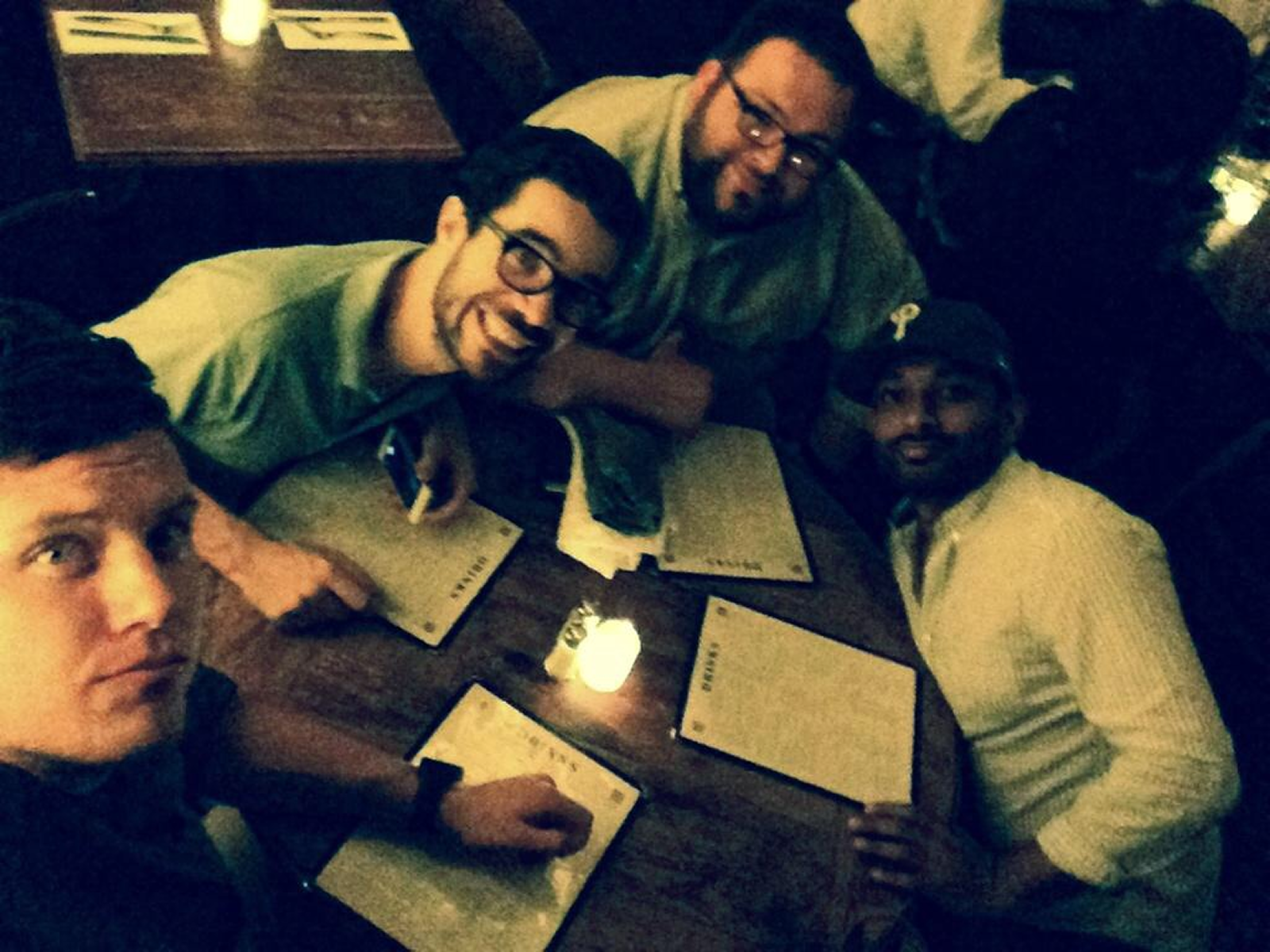
That night, Madhu taught me how to tell a good story, and why it matters. A good story helps people relate to the character; in this case, the character was me, telling mine. A good story makes people want a happy ending. You cheer for the main character. And most importantly, people want to be part of your story. They want to help the happy ending come true. That's how you move through the world: with people. Sometimes you get to be the person who helps someone else's happy ending, and sometimes you hope they'll be that person for you.
We came out of Little Branch very early in the morning, and looking up, I could catch a glimpse of the Empire State Building. I remember thinking I would always remember that night. I was right.
Dot two is one I've never shared. In 2015 I was working at a startup that had started to find some success. I was working very hard, and living without roommates for the first time, in a studio on 31st Street. One night I thought I was having a heart attack. I called my mom, 3,500 miles away in California, shaking so badly I could barely hold the phone. I hung up, got in an Uber, and checked myself into the ER at Bellevue. They took my vitals, admitted me immediately, and started running tests.
I didn't have many close friends in the city at that point - Madhu had already moved away - so I called two coworkers, Mikey and Chris. Mikey showed up at Bellevue on a Sunday night and stayed at my bedside, on the phone with my mom, while the doctors stopped and restarted my heart. Twice. It was the scariest experience of my life, and through all of it, Mikey and Chris did everything they could to keep me calm, keep my mom informed, and keep things light. At one point Mikey told her my nurse was really hot, so clearly I was in good hands.
I was in the hospital for three or four days. The diagnosis was a case of uncontrolled type 2 diabetes and a severe panic disorder. My mom flew out and lived with me in that studio for three weeks afterward, because I wasn't well enough to be alone. I remember thinking that if this was what life looked like, I wasn't sure I wanted to be living it.
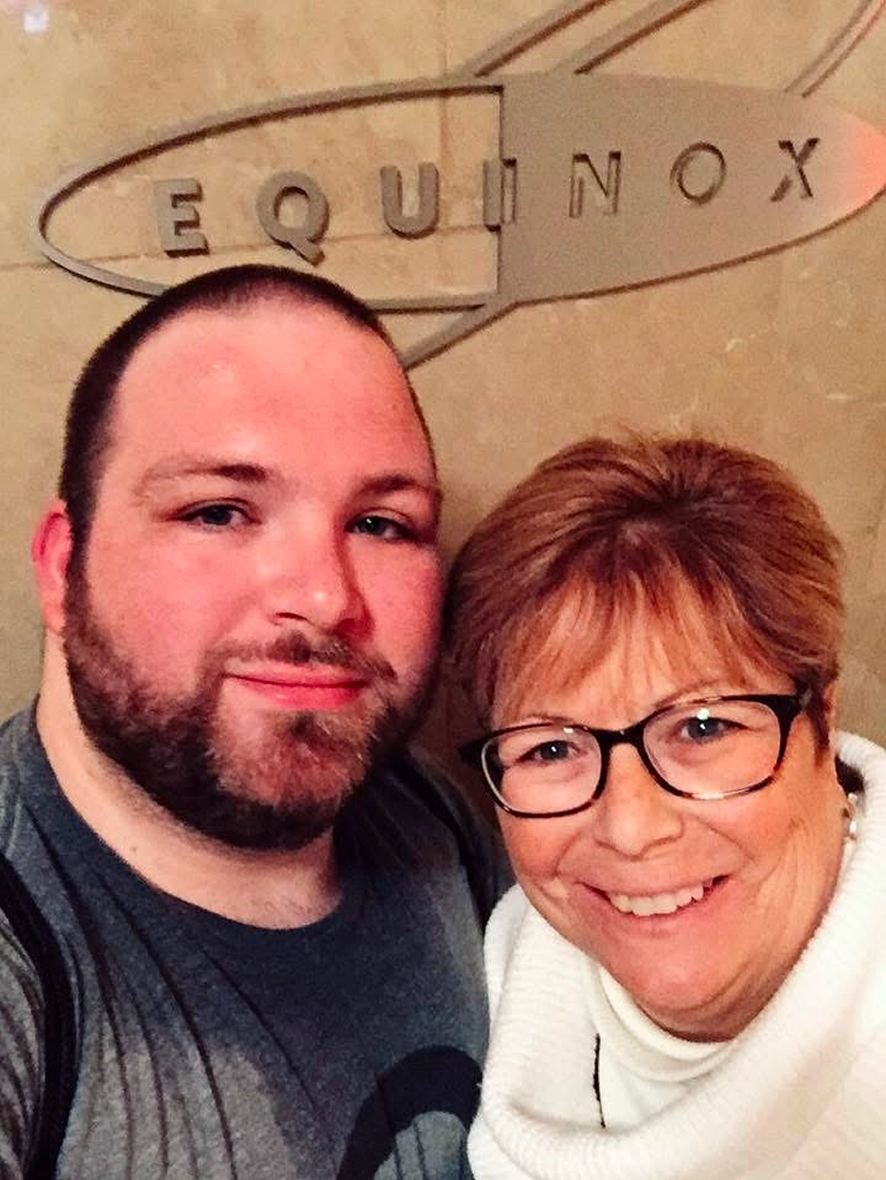
With a lot of work and medication, I started to feel better. And I began, for the first time, to put myself first. I ate well. I took my medicine. I was at Equinox at 5:30 every morning when the doors opened. In January of 2016 I set a goal to go on six dates that year, joined some apps, and matched with a woman named Natalia. On March 9th, the first nice day of spring, I messaged her: I'd like to take a walk with you on the High Line at sunset, maybe grab a bite after. I was so anxious getting out of the cab that I took a dose of my panic medication to make it through the date. Four hours later we were eating pizza at Eataly in front of the Flatiron Building, having walked half the city, and I knew I'd met someone special and my life had changed.
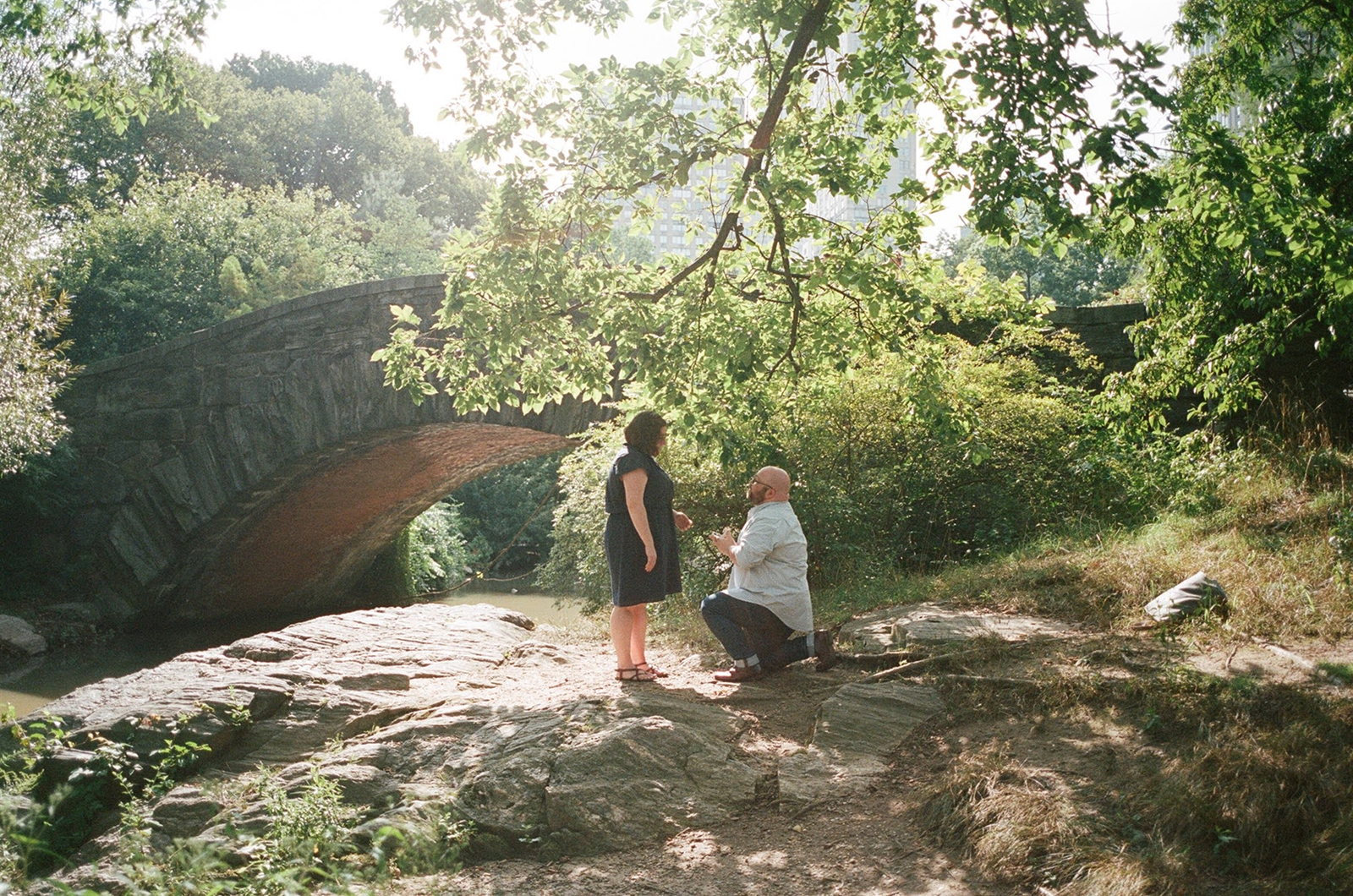
We dated for years. In August of 2020, in a Central Park emptied out by covid, I proposed in front of Gapstow Bridge.
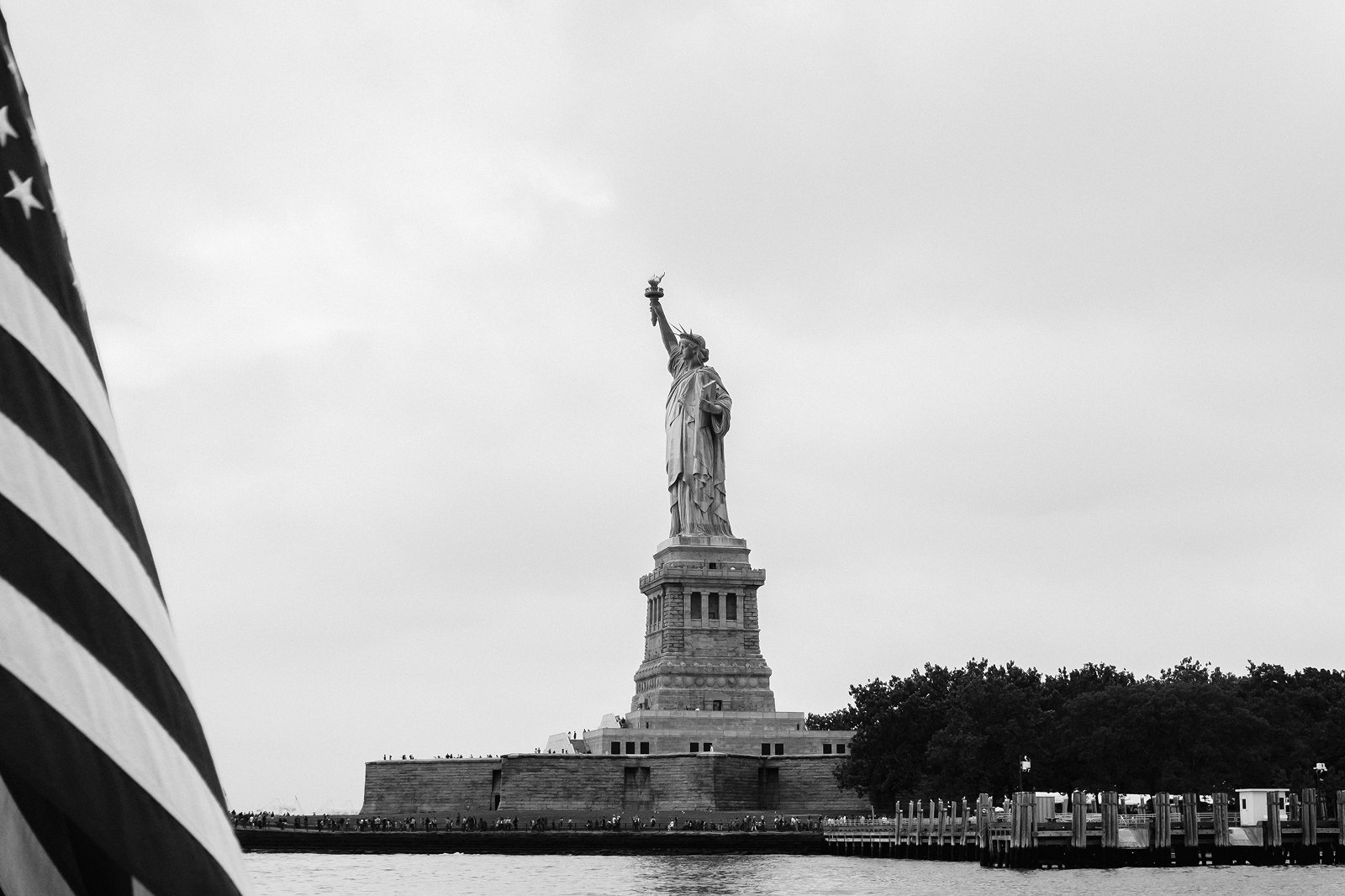
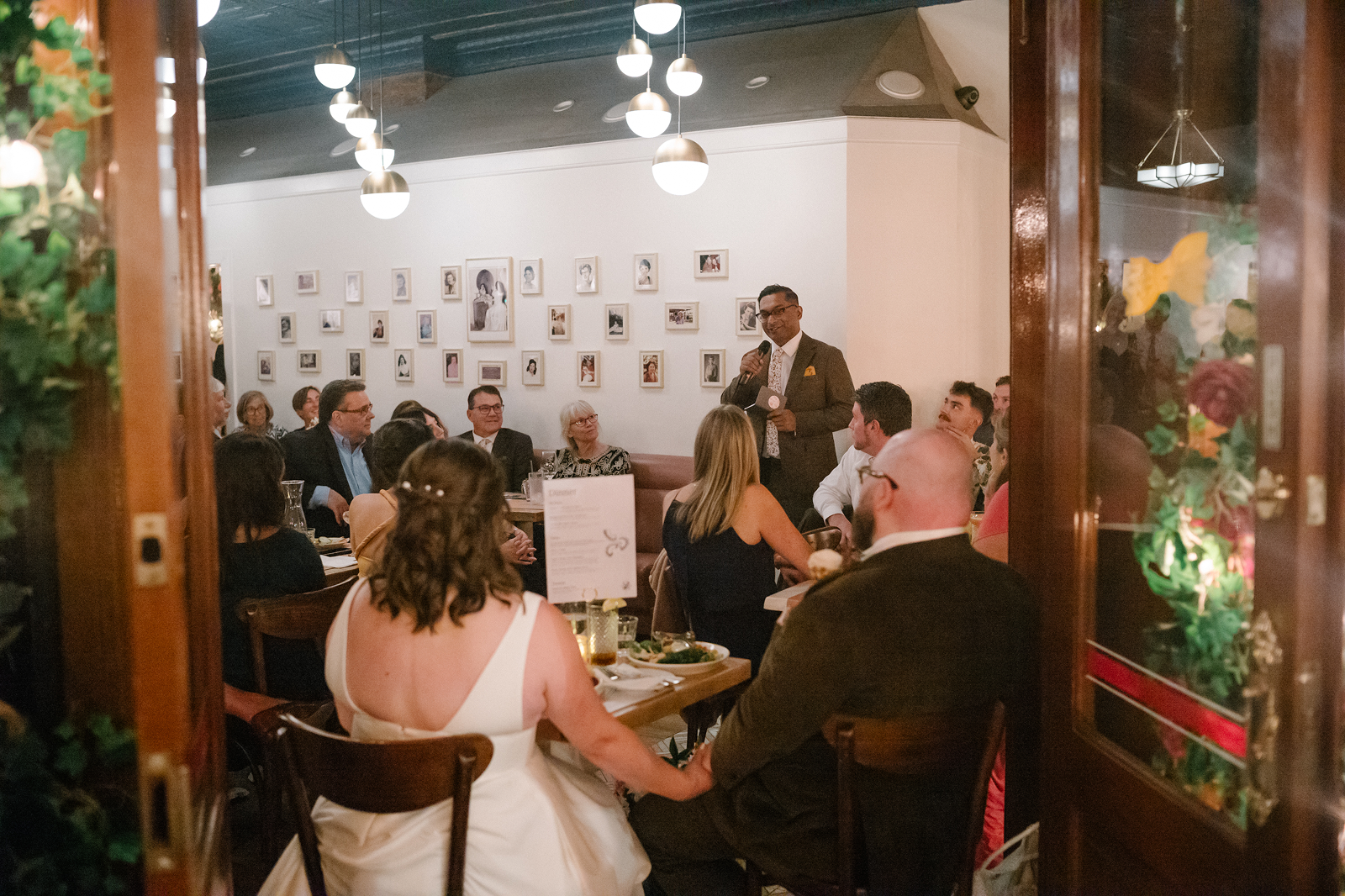
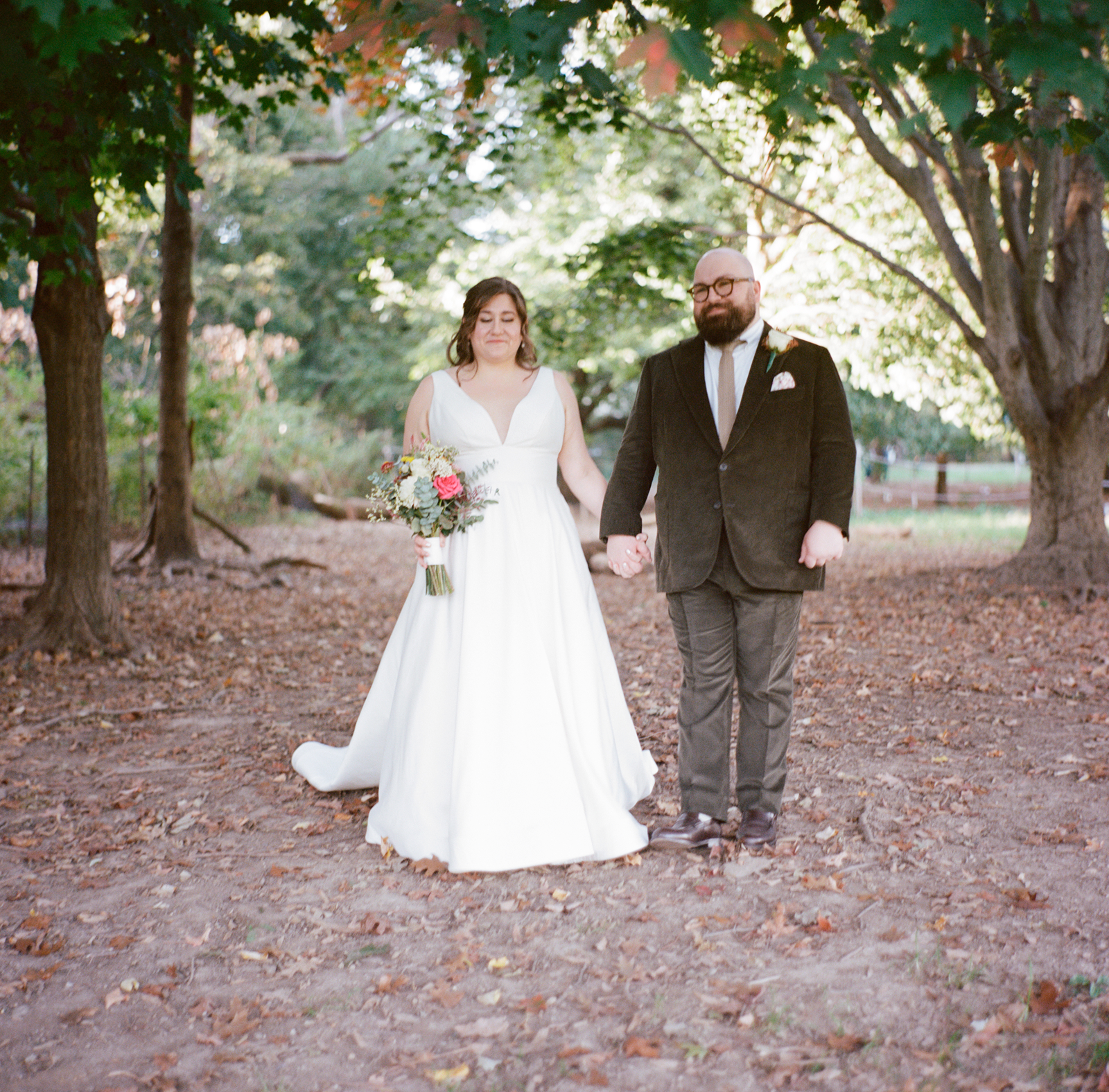
Dot three is our wedding. We got married in Prospect Park in October of 2023, near the same tree Natalia had been reading under, on her day off, when I asked her out on that first date. The park was a block from my first apartment in New York, the Harry Potter bedroom. Our wedding was the culmination of two stories that started long before either of us got to the city, and couldn't have happened without it.
We walked down the aisle together. We were coming into the day as a team and leaving it as one, and it felt important to enter that way. Right before we stepped out of the grove of trees to where our loved ones could see us, I stopped for a second, looked at her, and looked around. This is as good as it gets, I remember thinking. No moment will ever top it.
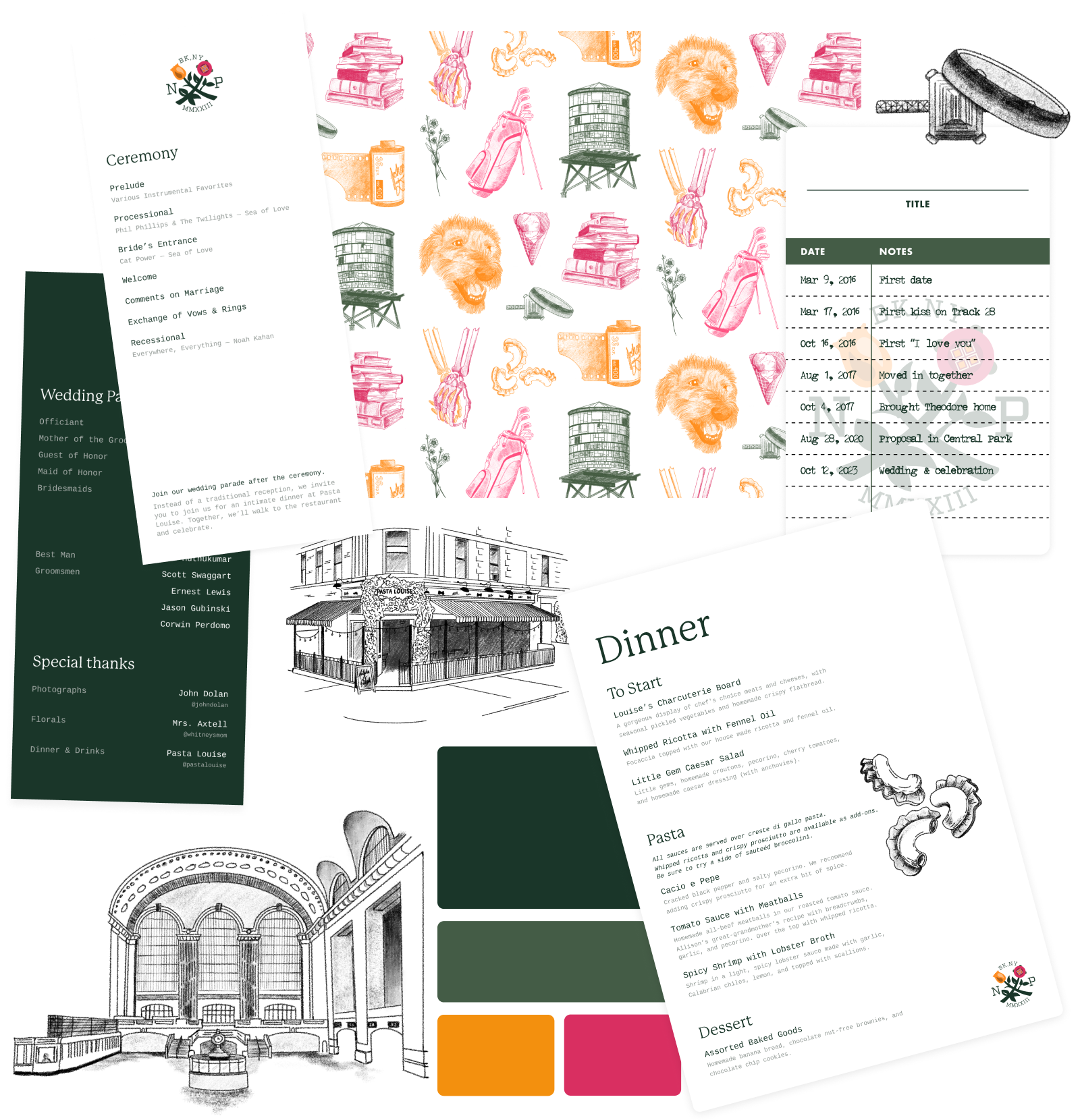
I designed everything for the wedding: the stationery, the website, all of it. (Designers make the worst clients. We're our own harshest critics.) My favorite detail was a set of sketches woven through everything that told our story - our dog Theo, our third date in Central Park, small pieces of our life together and our love for the city.
Not long after Techstars, Madhu and his partner Adele left New York for San Francisco, where he'd been hired at Twitter. He wrote a post like this one, and at the end of it he wrote:
Leaving New York is the most New York thing you can do.
At the time, it sounded like the last line of a beautiful novel. A nice thing to say. But I've thought about that line many times over thirteen years, and it's true. New York forces you to change. It forces you to examine yourself and figure out what's important to you, because if you don't, the city can take you out to sea. New York is a state of mind: embracing the unknown, being sure of yourself, staying flexible with change and principled at the same time.
Now it's my turn to leave.
For the past couple of years, I've done everything I can to make our life as wonderful and special as possible. It's a promise I made to Natalia's grandfather before he passed, that I would do everything I could to give her the best life possible. And, like everything that followed that night at Bellevue, it's also me putting myself first. I know in my heart that I want to build software companies. Building companies is hard, and as much as I love this city, as much as it's given me and I've given it, moving somewhere a little less expensive and deeply creative makes both of our chosen careers a little easier.
So we're moving to Providence, Rhode Island. They call it the Creative Capital. It's the home of Brown University and of RISD, arguably the best design school in the country.
The same Jobs speech with the dots also talks about time, how knowing it's limited is what gives it value. Time is the most valuable thing any of us have, and I chose to spend thirteen years of mine in the greatest city in the world. I came here as a 23-year-old fraternity guy with $800 in a backpack. I'm leaving with the most caring wife, the smartest best friend, an adorable dog, a career I'm proud of, and countless stories.
I might be leaving New York, but New York will never leave me.