In the fall of 2021, Chris Maddern called me about a side project he was working on with Sid Dabral. The two of them were jamming on a mobile app for tracking NFT portfolios. Chris asked if I'd help.
I'd known Chris and Sid for a long time by then. I was the second hire and first designer at Button, a mobile commerce startup they'd co-founded, where I worked from 2014 to 2018. The three of us had been in rooms together through the early scrappy years of one company already. Getting a chance to do it again, with this group, four years later, was about all I needed.
The space was a different draw. My wife Natalia works in the arts, and I'm a lifelong collector. I had a Pokemon binder as a kid that I still have. The on-chain stuff, for all the noise around it, gestured at things I actually cared about: provenance, paying artists for what they made, building tools for people who care deeply about the things they collect. So I said yes.
When I officially joined as Founding Designer in April of 2022, Floor was four people in a corner of a WeWork in Gramercy. Chris, Sid, Christine, and me. The product was a portfolio tracker for Ethereum NFTs - you could see your balance across collections and watch it move with the market. That was it.
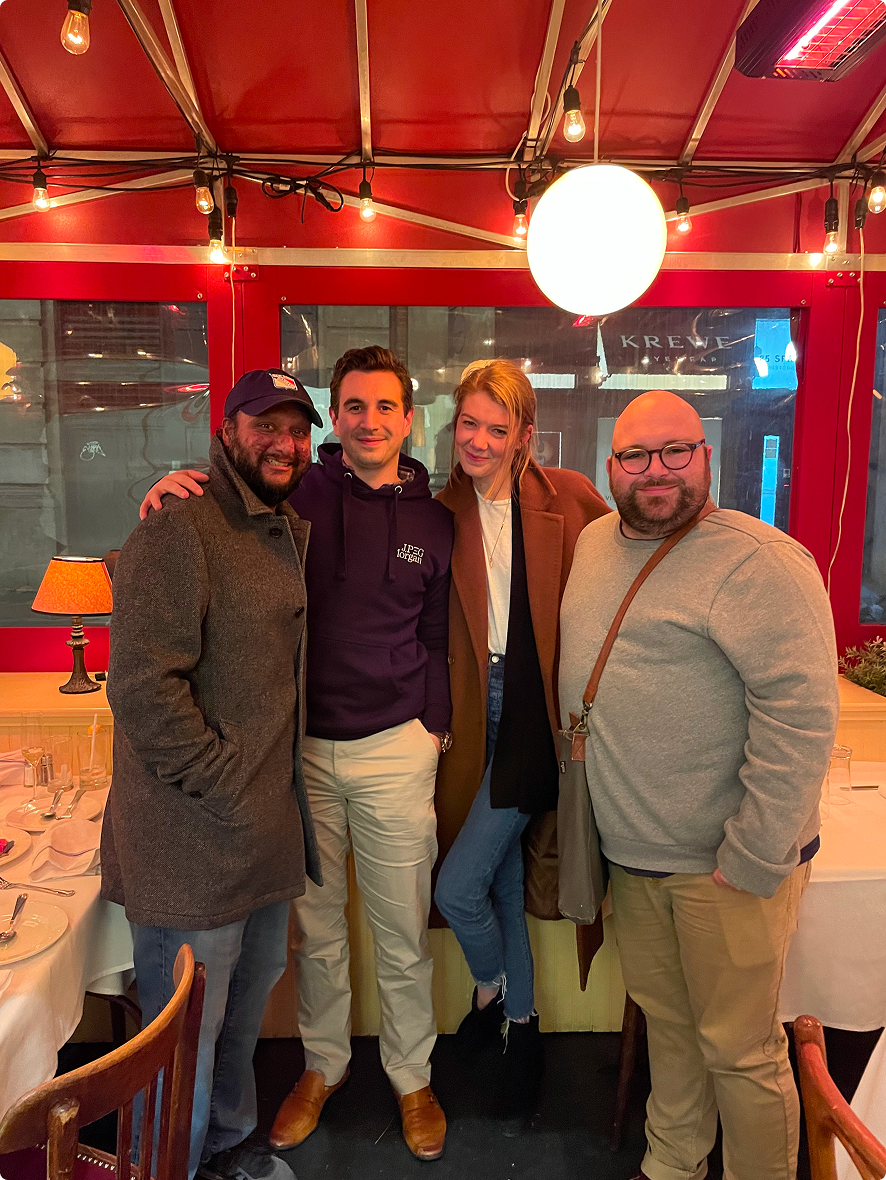
The first big call we made was about who got in. The convention in crypto at the time was the whitelist: people would do some Discord task or referral chain and earn early access to a mint. Set aside that "whitelist" was a deeply weird term to keep using. The bigger problem was that whitelists tended to fill with people who were good at getting onto whitelists, which is a different skill than caring about the thing being launched. We didn't want a launch panel full of listmakers. We wanted collectors. So we made the Floor beta token-gated: to get into the TestFlight, you had to own a Floor-issued NFT. About a hundred people came through at first, and we knew their wallets, their habits, their pain points. We knew them by name. By the time we shipped to the App Store, we had around five thousand token-holders running the beta.
A week or two before the beta went out, a stranger named Kavi sent us a link to an Android version of the app he'd built himself. Unprompted, unpaid, without access to most of our backend. I remember Chris and I sitting in the office passing the link back and forth. We'd built products together before, and nobody had ever shown up with a companion app like that. We flew him from the UK to New York as fast as we could. Kavi joined the team and became the person taking iOS designs and translating them to Android in a way that felt native to both. That work saved me and the rest of the team an enormous amount of time. Passion at that level isn't something you can coach into someone. It's rare and you grab it when you see it.
The product worked. At our peak, our average user opened Floor fifteen times a day. Not power users, average users. That's the kind of number you only get when the people on the other side of the screen actually believe in what you're building. Corwin, our community manager, kept us close to those people in a way that shaped almost every feature we shipped.
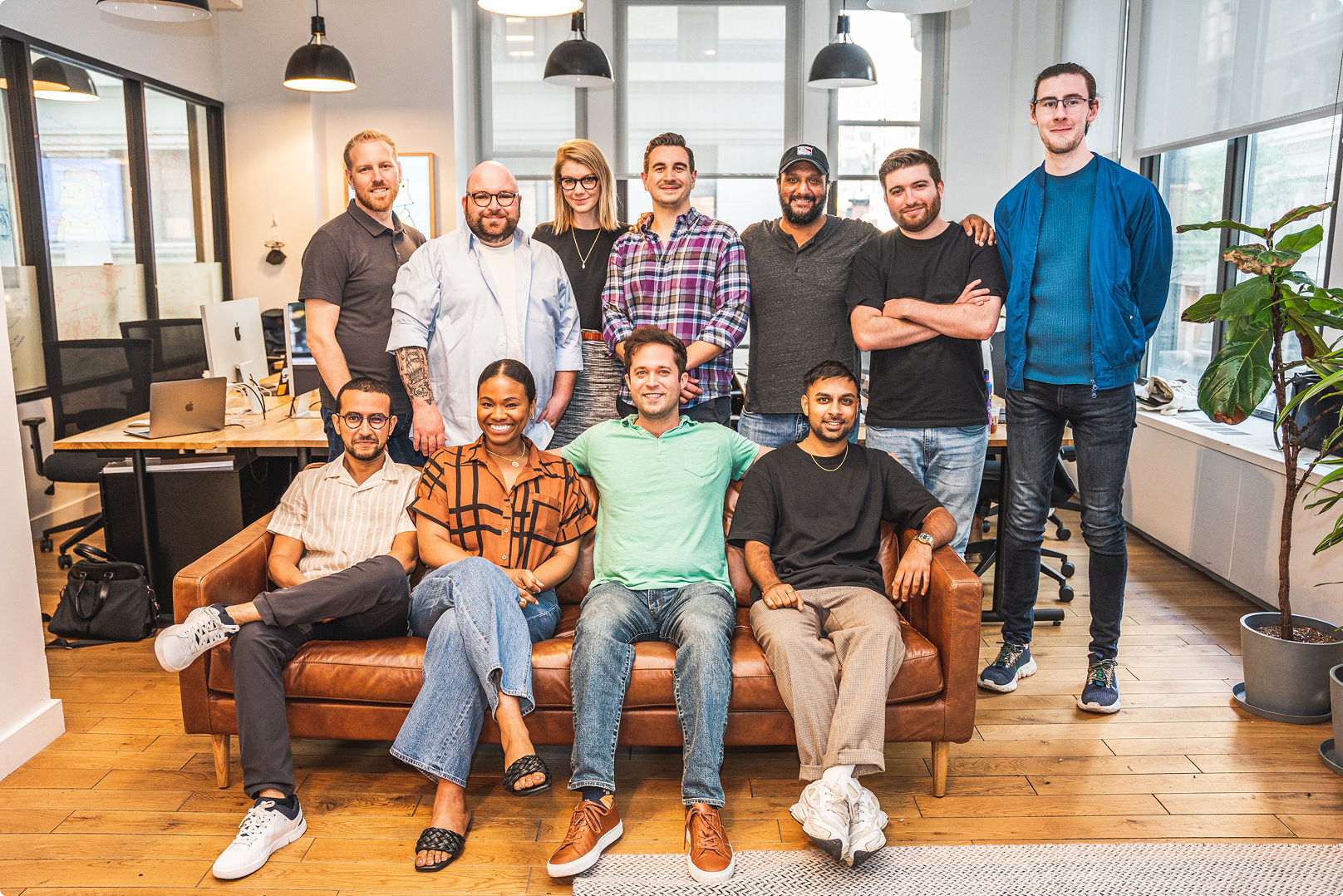
Then the market did what crypto markets do. Trading frequency fell off, and a portfolio tracker for assets nobody was trading is, mechanically, less interesting. We made two moves. The first was Icons, a program partnering with artists on limited-edition drops inside the app. That one had Natalia's world in it for me - artists getting paid directly by the people who valued their work. The second was bigger: when a token called dogwifhat went vertical and at one point had a higher market cap than a major airline, it was clear that on-chain assets were now more than NFTs and stablecoins. We went cross-chain and broadened what Floor could track and trade.
The piece I'm proudest of from those years is what we called Mobile Mints: buying an on-chain asset inside the app using Apple Pay. Dollars in, NFT out, no wallet setup, no seed phrase, no bridge. It made the space accessible to a kind of person who'd never have made it through the old funnel. If that had been possible in October of 2021, none of us would need jobs.
I left Floor in October of 2024. We'd hit product-market fit early and grown to somewhere around a hundred thousand users by the time I was out the door. I'd done what I came to do, and I wanted to start something of my own. The conversation I had with Chris about leaving was the second one of its kind we'd had: I'd told him first when I left Button, four years earlier, and now I was telling him again. Time is the most valuable thing any of us spend. I'd spent all of mine I wanted to spend at Floor.
Nine months later I was getting a chest tattoo when my phone buzzed with a text from Chris.
OpenSea had acquired Floor. I called Chris from the parking lot as soon as the session ended. There aren't a lot of better ways to find out.
In the end, I met a groomsman and my future cofounder, all while creating a company with old friends. It doesn't get much better than that.